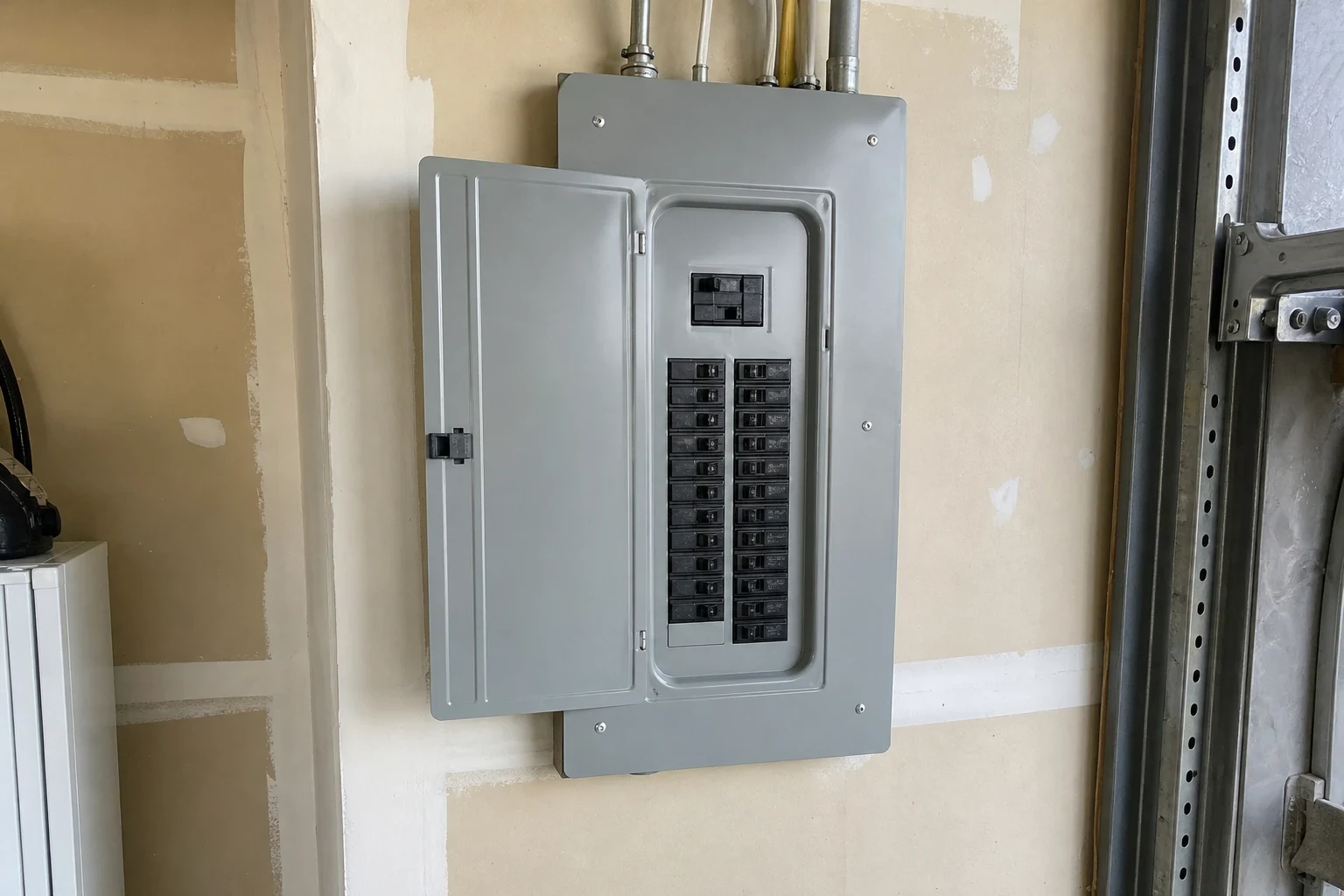
ServicesPanel Upgrades
Panel Upgrades in White Settlement
We replace tired, undersized or recalled electrical panels with a new panel sized from an actual load calculation. We handle the permit and utility coordination, label every circuit, and check back after the job to see how the new panel is holding up in your home.
When a New Panel Is the Right Call
Your panel is where the utility's service conductors land and get divided into branch circuits. When the bus bars are pitted, the breakers no longer trip cleanly, or the panel simply has no room or capacity left, every circuit downstream inherits that problem. A panel upgrade replaces the enclosure, bus and breakers, and often the meter base and grounding as well.
Not every tripping breaker means you need a new panel. Sometimes the fix is a single bad breaker or a loose neutral, which is ordinary electrical repair. We open the cover, test, and tell you which situation you are in before anyone talks about replacement.
The job doesn't end at inspection. A few weeks after the new panel is energized, we follow up to ask how it's running, answer questions about the breaker layout, and walk you through the few simple habits that keep a panel healthy for decades.
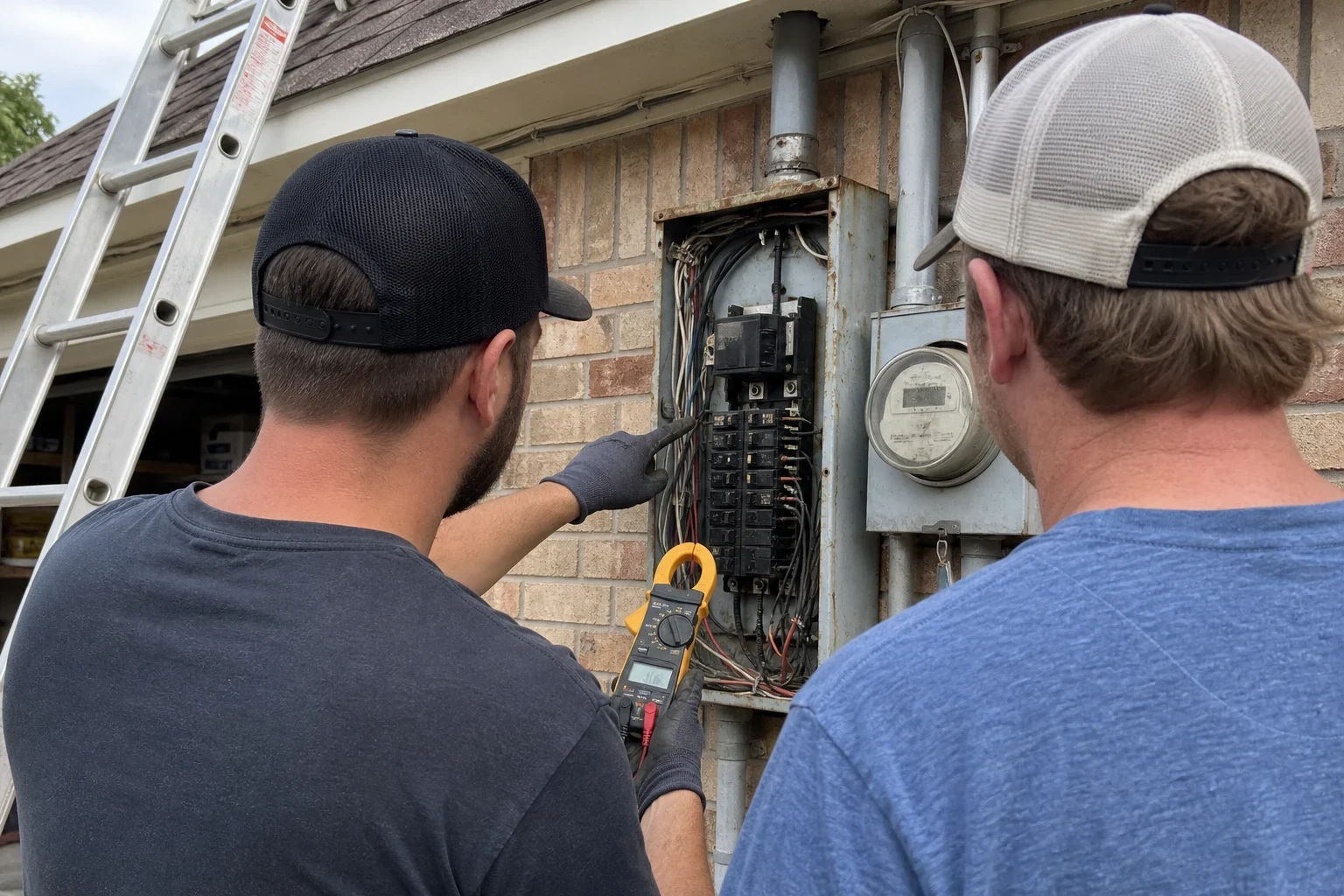
What a Panel Upgrade Includes
- 01
Load calculation first
We add up your existing and planned loads, including central air, electric range, dryer, water heater and any future EV charger. That number decides whether you need 150, 200 amps or more, so the panel is sized to how your home actually uses power.
- 02
New panel, bus and breakers
We install a new enclosure with a copper or plated aluminum bus and breakers matched to that panel's listing. Mixing brands of breakers in one panel is a common cause of overheating, so we don't do it.
- 03
Grounding and bonding brought current
We check the grounding electrode conductor, ground rods and water pipe bond, and correct them where they fall short. Good grounding is what lets a breaker clear a fault quickly instead of letting metal parts stay energized.
- 04
AFCI and GFCI protection where required
Circuits in bedrooms, kitchens, laundry and other required locations get arc-fault or ground-fault breakers as the current code calls for. These catch the kind of arcing and leakage a standard breaker misses.
- 05
Permit, inspection and utility coordination
We pull the permit with the local jurisdiction, schedule the inspection, and coordinate the disconnect and reconnect with the utility when the service has to be de-energized.
- 06
A typed circuit directory
Every breaker is traced and labeled by room and load. You won't be flipping switches in the dark to find which one feeds the garage.
Questions about Panel Upgrades?
Call(682) 463-1576Signs Your Panel Needs Attention
Breakers that are warm or buzzing
A breaker should feel close to room temperature. Heat or a buzz usually means a loose connection or a breaker that has lost its grip on the bus, and that arcing damages the bus over time.
Recalled or problem panel brands
Federal Pacific Stab-Lok and Zinsco panels have a long history of breakers that fail to trip. Older fuse boxes are another flag. If your panel carries one of those names, it's worth a close look.
No open spaces left
Tandem breakers crammed into every slot, or double-tapped breakers with two wires under one screw, tell us the panel ran out of room years ago. Adding a circuit safely is hard until that's solved.
Lights dim when the AC starts
A noticeable dip when the compressor kicks on in a North Texas summer can point to an undersized service or a weak connection at the main lugs.
Rust or scorch marks inside
Water tracking down the service mast corrodes the main lugs and bus. Brown or black marks around a breaker mean heat has already done damage.
How the Job Runs
- 1
Inspection and load numbers
We look at the panel, meter base, service entrance cable and grounding, run the load calculation, and give you a written scope with the panel size and parts we recommend.
- 2
Permit and scheduling
We file the permit and set a date with the utility if the meter has to be pulled. You'll know ahead of time how long the power will be off.
- 3
Swap day
We shut down the service, remove the old panel, mount the new one and land each circuit on its new breaker with connections torqued to the manufacturer's spec. Most homes are without power for part of one day.
- 4
Inspection and power-up
The inspector reviews the work, the utility restores service, and we test each circuit and the AFCI and GFCI breakers before we leave.
- 5
Our follow-up
A few weeks later we check back. We ask about nuisance trips, answer questions on the directory, and remind you to press the test buttons on your AFCI and GFCI breakers a couple of times a year and keep the area in front of the panel clear.
What Moves the Cost of a Panel Upgrade
We price a panel upgrade after we've seen your panel and done the load calculation, not before. The written scope lists each part of the job so you can see where the cost comes from. These are the things that move it most.
- Amperage and panel size
- Going from 100 to 200 amps usually means larger service conductors and a new meter base, not just a bigger box. More circuit spaces also add cost.
- Condition of the service entrance
- A cracked weatherhead, corroded meter base or brittle service cable has to be replaced along with the panel.
- Grounding and code corrections
- Missing ground rods, an absent water pipe bond or double-tapped circuits all get corrected during the upgrade.
- Panel location and access
- A panel inside a finished wall or a cramped closet takes more labor to remove and reset than one on an exterior wall or open garage.
- AFCI and GFCI breaker count
- These breakers cost more than standard ones, and the number you need depends on how many circuits serve required locations.
Panel Upgrade Questions
Do you pull the permit for a panel upgrade?
Yes. We file the permit with the local jurisdiction and schedule the inspection. The inspector checks the panel, grounding and connections before the utility restores power, which gives you an independent sign-off on the work.
How long will my power be off?
For most homes, power is off for part of one day while we swap the panel and the utility reconnects. If the meter base or service cable is being replaced, it can run longer. We tell you the expected window when we schedule.
Will I need a bigger panel to add an EV charger?
Not always. The load calculation shows whether your current service has room for a 40 or 50 amp charger circuit. If it does, we can move straight to EV charger installation; if not, the upgrade comes first.
Can you just replace a few breakers instead?
Sometimes, and we'll say so. A single failed breaker in an otherwise sound panel is a repair. A panel with a damaged bus, a recalled design, or no room left is better replaced, because new breakers can't fix a worn bus.
What should I do after the new panel is in?
Very little. Press the test buttons on your AFCI and GFCI breakers a couple of times a year, keep about three feet clear in front of the panel, and update the directory if you add circuits. We go over all of this when we check back after the job.
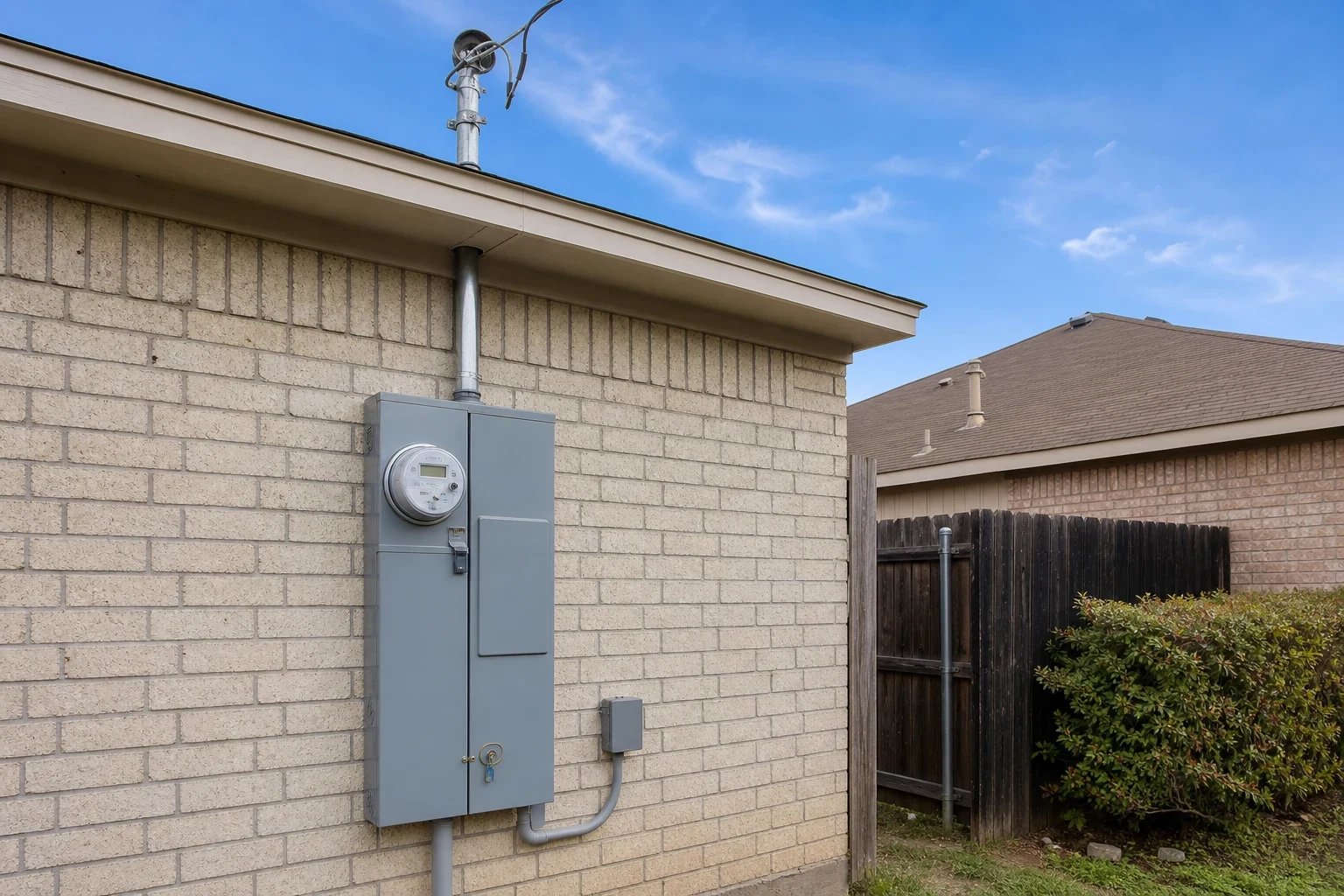
Find Out What Your Panel Needs
We'll look at your panel, run the load numbers and give you a clear written scope. After the work, we check back to make sure it's running the way it should.