ServicesSurge Protection
Surge Protection in White Settlement
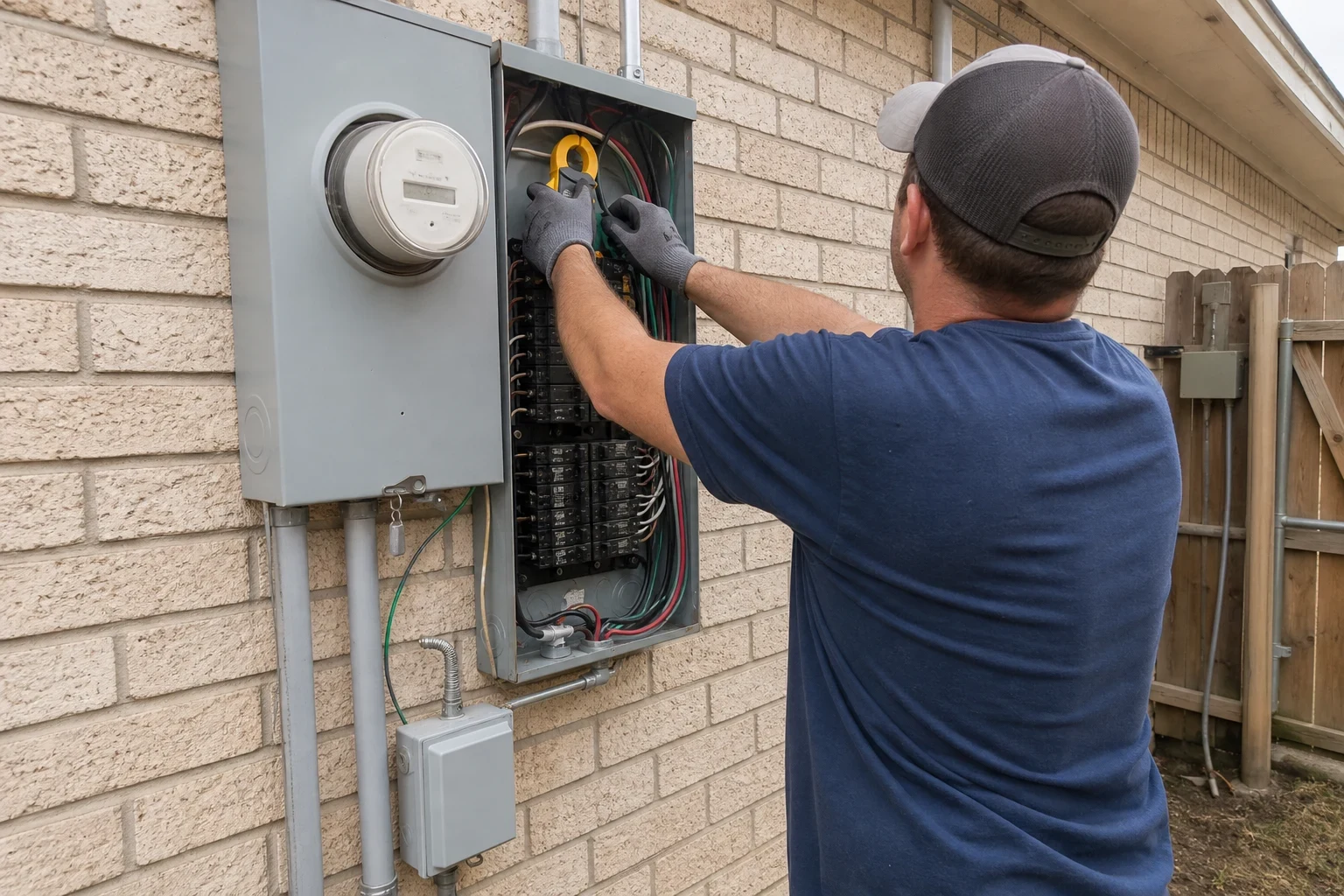
We install a whole-home surge protector at your electrical panel, check the grounding it depends on, and add point-of-use protection where it makes sense. Once it is in, we show you how to read its status lights and when the unit will need replacing.
What a Whole-Home Surge Protector Actually Does
A surge protective device, or SPD, sits in or beside your panel and watches the voltage on both legs of your service. When a spike arrives, metal oxide varistors inside the unit switch from blocking to conducting in nanoseconds and shunt the excess to ground. Your outlets see a clamped voltage instead of the full hit.
Most surges do not come from lightning. They start inside your home when motors and compressors cycle off: the AC condenser, the refrigerator, a garage door opener, a pool pump. Those small, repeated spikes slowly wear down the control boards in appliances, HVAC equipment and LED drivers. A panel SPD catches the big outside events and the daily inside ones.
The protector is only as good as its path to ground. That is why we check the grounding electrode conductor, the neutral-to-ground connection at the main and the lead length on every install, and why we come back later to confirm the unit is still reporting healthy.
What the Work Includes
- 01
Panel-mounted Type 2 SPD
We mount the protector on or in your panel and land it on a dedicated two-pole breaker. We pick a unit sized for your service with a surge current rating and clamping voltage that suit a residential panel.
- 02
Short, straight leads
Every extra inch of conductor between the breaker and the SPD adds let-through voltage. We place the breaker as close to the device as the panel allows and keep the leads short and free of loops.
- 03
Grounding check
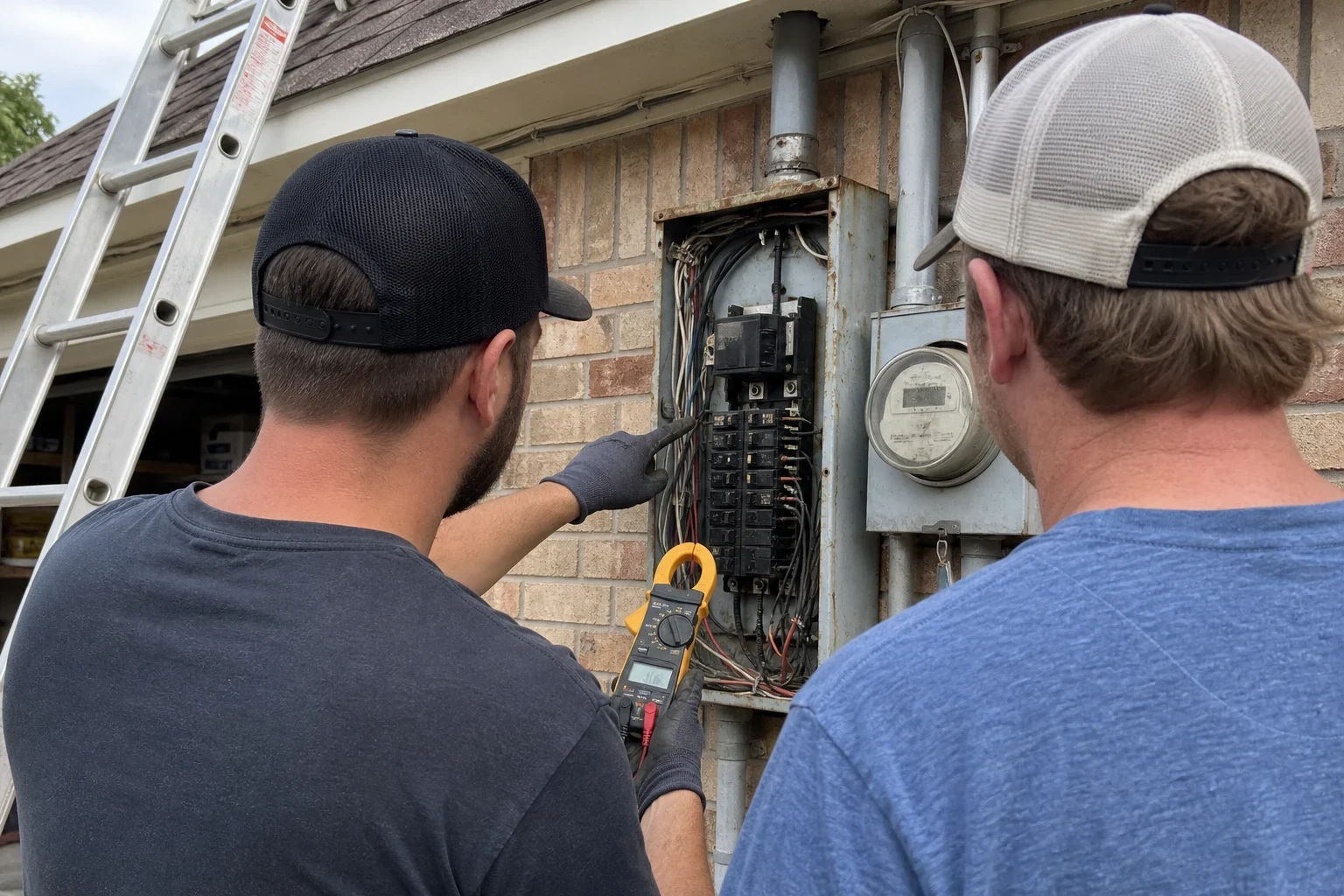
We inspect the ground rod connection, the grounding electrode conductor and the main jumper that ties neutral to ground. If a clamp is loose or corroded, we tell you and show you a photo before anything is fixed.
- 04
Cable and phone line grounding
Coax and data lines bring surges in too. We confirm those lines tie into the same grounding system as your panel so a spike cannot jump between two ground points through your TV or router.
- 05
Point-of-use advice
A panel unit reduces a surge to a level that a good Type 3 power strip can finish off. We tell you which outlets deserve one, usually at computers, TVs and the HVAC thermostat circuit.
Questions about Surge Protection?
Call(682) 463-1576Signs Your Home Needs Surge Protection
Electronics failing early
Microwaves, garage door openers or TV power supplies that die well before their time often point to repeated small surges wearing out their circuit boards.
LED bulbs flickering or burning out
LED drivers are sensitive to voltage spikes. If bulbs on the same circuit keep failing, internal surges from a motor load nearby are a likely cause.
Damage from a storm
North Texas spring storms bring frequent lightning. If a strike nearby took out a router, a smart thermostat or an HVAC control board, the next one will find the same path unless something is in the way.
A new or replaced panel
Current electrical code calls for surge protection when a dwelling service is installed or replaced, depending on the code your local jurisdiction has adopted. If you are planning panel upgrades, it belongs on the same job.
An old protector with dark lights
Surge protectors wear out. If your existing unit's indicator lights are off or red, its varistors have likely been used up and it is no longer protecting anything.
How the Job Runs
- 1
Look at the panel and grounding
We open the panel cover, check for a free two-pole space, and trace the grounding electrode conductor to the rod. We also note what large motor loads your home runs.
- 2
Explain the options
You get a plain explanation of what we recommend, why, and what it costs before work begins. If your panel has no room or has its own problems, we say so.
- 3
Install and test
We shut off power at the main, mount the SPD, land it on its breaker, tighten every lug to spec and restore power. The status indicators should light green, and we confirm they do before we leave.
- 4
Show you how to read it
We walk you to the panel and point out the indicator lights, what each color means, and what to do if one changes. You get the same notes in writing.
- 5
Check back later
We follow up once the job is done, and again following a heavy storm, to ask whether the lights still read normal. If a unit has taken a large hit and degraded, we explain your options for replacing it.
What Moves the Price
Surge protection is one of the smaller jobs we do, but the price still depends on what we find at the panel. You hear the cost and what it covers before we start. We list those findings plainly instead of folding them into a single number.
- Panel space and brand
- A panel with an open two-pole slot and a matching breaker available keeps the job simple. A full panel may need a tandem arrangement or a small rework to make room.
- Grounding condition
- A loose ground rod clamp or a missing connection to the water line has to be corrected for the SPD to work. That adds parts and time.
- Device rating
- Units with higher surge current ratings and replaceable modules cost more up front. We explain whether your home's loads justify the step up.
- Added protection
- Grounding coax and data lines or adding protection at a detached garage or outdoor HVAC disconnect adds to the scope.
Surge Protection Questions
Do I still need power strips if I have a whole-home protector?
For sensitive electronics, yes. The panel unit knocks a surge down to a few hundred volts, and a good point-of-use protector clamps what is left. The two work together.
Will it protect my home from a direct lightning strike?
No device can fully stop a direct strike. A panel SPD handles nearby strikes and surges coming in on the utility lines, which are far more common and cause most of the damage we see.
How long does a surge protector last?
It depends on how many surges it absorbs. Each one wears the varistors a little, and a large one can use them up at once. That is why we show you the indicator lights and check back with you once the job is done.
Can you add surge protection during a panel upgrade?
Yes, and that is the most efficient time to do it. The panel is already open, the grounding is already being checked, and the code your jurisdiction follows may require it on a new service anyway.
How long does the install take?
A straightforward panel install usually fits in a few hours, including the shutoff, testing and walkthrough. Power to your home is off only for part of that time, and we tell you before we kill the main.
Put a Protector Between the Grid and Your Appliances
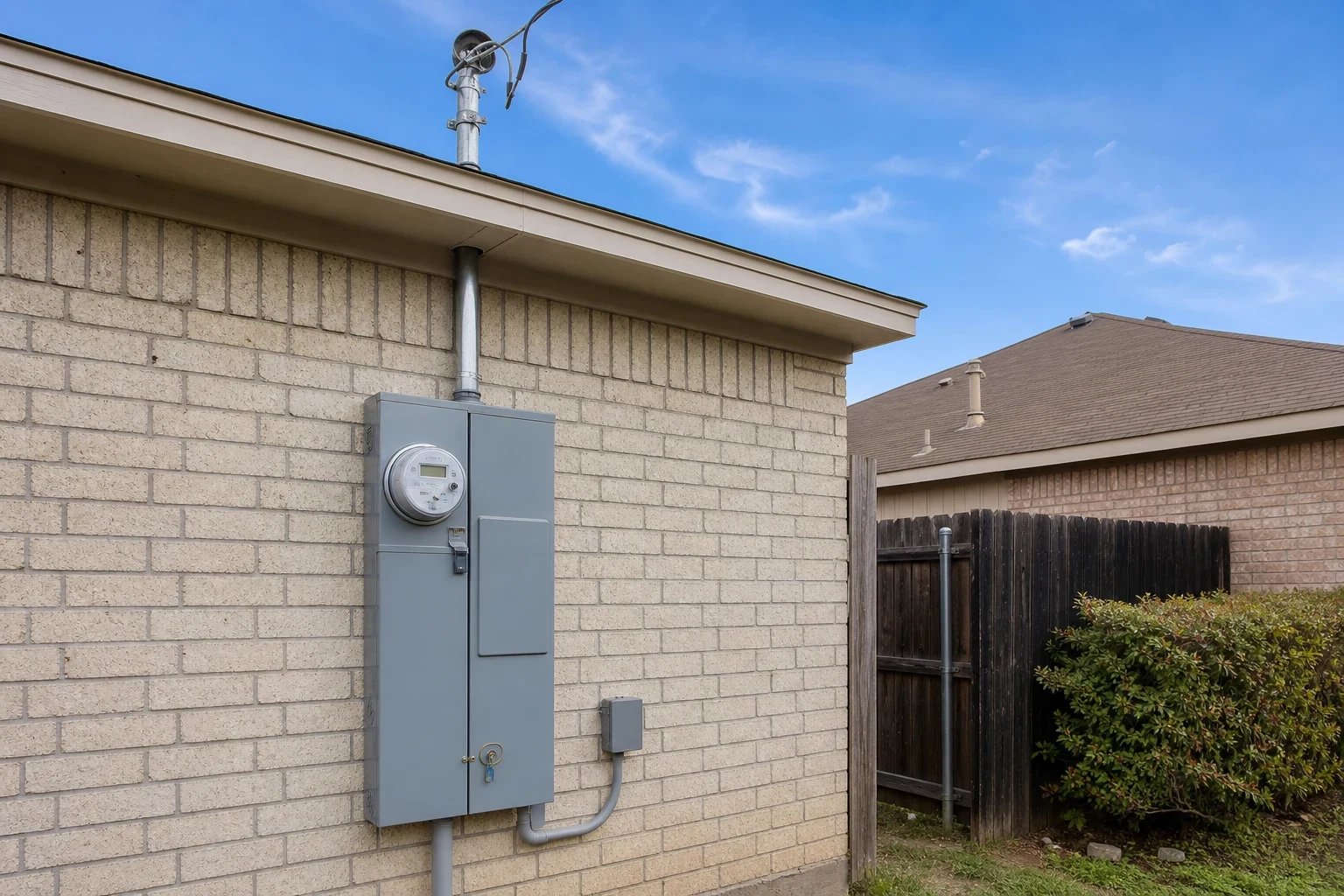
We install it, test it, show you how to read it and check back later to make sure it is still doing its job. Book a visit and we will start with a look at your panel and grounding.